
IMPORT AND EXPORT PROCEDURE(S) & DOCUMENTATION
- CEO & Founder
- Oct 26, 2018
- 9 min read


If you are starting export-import business, then you need to be well aware all of the import and export procedure(s) and documentation. Knowing import and export procedure(s) and documentation is critical if you want all runs smoothly without surprises. We will handle export procedures.
You need to know import and export procedure(s), so you can plan and prepare all the actions in the right order. Secondly, you need to know documentation, because if you don’t prepare right documents or you prepare those incorrectly, then you may fail to export or import.
Export procedure(s) or import procedure(s) are directly connected with documentation. Because anyone who wishes to export needs to provide or fill the documents required for export. Every procedure or process is related to some kinds of documents. Failing to provide the documents or failing to perform some export procedure can lead to serious problems and costs.
This article will explain you the import and export procedure(s) and documentation.
First, let us look on the import and export procedure(s) on the first place and then, secondly the documentation.
Import and export procedure(s)
1. Establish company, open business bank account and apply for export/import license
Followings are the crucial import and export procedure(s) what entrepreneurs need to follow through. No matter If you are exporting or importing, no matter as an export/import company or export-import agent.
In order to establish a company, you need to approach your country appropriate authorities and institutions.
2. Contact with buyers and make offers.
If your export company is set up, then real export procedures start. We assume, that you already know, what it is what you are going to export.
You need to start contacting potential buyers from overseas. First, you should make sure where you can find buy requests. To make sure the right marketing channels, it is important to understand export-marketing. Then you should start directly approaching those potential buyers. In this export procedure, your lesson is to validate serious buyers. With serious buyers, you should start negotiations and discussions, with making sure buyers exact requirements for the products.
The validation of the buyers, this export procedure includes online research and background check of the potential buyers.
For validated and serious buyers, you should make a price offers. Price offer should include all the relevant data, such as price, delivery term, quality, validation period for the offer.
Buyer can accept or reject your offer, If reject, then you need to negotiate. If accepted, then let us move to the next import and export procedure(s).
3. Send samples to your overseas buyers
If you found a potential overseas buyer, then definitely, they will ask you to send them a sample first. You need to pack the sample and ship it to your customer, so they can check and test your product.
You need to use an airplane as a transport. We suggest using DHL, TNT or some other international shipping company. Also, they will help you, to fill export documents and will tell you, what you need to provide them. Even for sample sending, you need to fill the export declaration, where you mark product, its HS code and, its value.
With sample sending, you need to prepare and provide following docs
Proforma invoice ( mark the price “0”)
Packing list
Sometimes you need to provide CO ( certificate of origin)
You need to fill the airway bill with the receiver data, your data, destination.
Usually, it will cost around 100 USD to ship small test samples but depends on what you are sending.
NB! In sample sending import export procedure (stage), you need to make sure all the restrictions and duties related to your goods. Sometimes some goods are restricted to export.
Usually, there’s no export duty, but some goods may be restricted or prohibited to export in your country. Get yourself a customs broker in your country, they will help you make all clear. Making clear all duties, regulations, important terms related to your product is very important import export procedure, this will prevent you from future surprises.
After your buyer, received and tested your product sample, then if he is satisfied, they can move to the next export procedure ( stage). Ordering and signing the contracts.
4. Confirm the order from buyer and receive money

If your buyer like the sample, the next import export procedure (step) is that they will make the real export order for you. They will tell you the order quantity and terms. Now is time for final negotiation after what you need to sign the agreement of sales and purchase.
This stage belongs to the most important import export procedure.
In contract, all important terms and conditions need to be stated and confirmed. At least following terms need to be negotiated and settled into the contract.
Price of the goods and total price
shipping date
Description of the goods with HS code
Ordered quantity
Delivery term ( EXW; FOB; CIF)
Payment terms ( TT, LC, DC)
Inspection and warranty terms
Agreed advance-payment % and balance payment %
Packing details
Required docs provided by exporter
The step-by-step process of the work
4.1. Issue proforma invoice and request first payment
After the contract is signed then exporter need to issue the proforma invoice to the buyer. The buyer needs to arrange the advance payment to confirm the order. Advance payment is usually 30% and the balance payment need to be arranged against the copy of the bill of landing.
Or if you are using LC (Letter of credit) payment, then the buyer should open the deposit for you in the agreed bank. Also if LC, then all the LC conditions need to be agreed, so bank knows in what conditions the LC deposit will be released to the seller ( You).
In this stage, exporter needs to know all the buyer custom requirements and must be sure, that all can be done. Then exporter can prepare all docs and certificates and send together with the goods. (if using T/T payment).
If LC payment, then your bank will send the docs to the buyer’s bank and buyer bank will give over to the buyer.
For first time exporters, it is smart to use service of freight forwarders and custom-agents. They can help you with all the export formalities.
5. Prepare order to your customer
Now, you should have received the advance payment from your customer, this means the order is confirmed.
If you work 100% on LC, then, you should get a notice from the bank, that LC deposit is opened for you.
Nextly you need to arrange the agreed order to the buyer. You need to send the order to the shipping port. The exporter can use a freight forwarder to collect, pack and send the goods to the shipping port.
6. Final inspection by the buyer before shipping and final payment
This is very critical part of any export import business. Usually, the buyer is not going to make the final payment or accepting the goods, if he hasn’t got the inspection and test report. Buyer can come over and conclude the inspection by himself, or he can authorize some third party to do it. I si internationally common to use SGS for such inspections.
Final inspection will be done at your warehouse or on the port, before sending it to the shipping board.
This export and import procedure is critical. If inspection results are not what they should be, then you are in trouble.
But If this export and import procedure runs smoothly and all test report is what it should be, then buyer shouldn’t have any complaints. Also, Bank will check test report results ( if LC is being used).
If this export and import procedure is successfully finished, then we reach to the next stage.
7. Receive balance payment against B/L and test report copy
Before the goods have been taken on the ship board, you need to arrange the export custom. You need to provide needed details, docs to your country custom bureau. It is wise to use the service of a custom broker, so they will arrange all for you.
Export procedures of customs are specific and formal. If you don’t have previous experiences, then is it clever to let customs brokers and freight forwarders arrange everything for you.
If you send the goods to the ship, then you will get the Bill of lading (B/L) from a shipping company.
Now you are done and now you need your balance payment from your buyer, against the copy of the bill of lading and other docs if required.
You provide the copy of the bill of lading to the buyer and buyer need to arrange the payment to you.
If you used LC payment, then you need to present all the docs to your bank where LC is opened for you.
After you receive the balance payment or LC deposit, your export risk is over.
This import export procedure ( stage) is the riskiest for the exporter, after this, all risk will go over to the buyer.
NB! In export-import business, LC is often the best payment way for both, exporter and importer.
8. Send all the original docs to your customer and support him
Now, after you have received the total amount of your goods, you need to provide all the original docs to your buyer. Buyer needs original docs for the import custom. Without required export-import documentations he cant clear the importing customs in his country.
Even, the goods arrive at the buyers port, but the buyer doesn’t have the original docs of the goods, then he cant import the goods into his country.
You can send the docs with express, I usually use DHL for this.
Also, maybe your customer need some further help from you. Maybe he need some extra docs from you, so you should help him and provide all to him. It is important to support your buyer because then he is often willing to make next order for you.
Previous 6 import export procedure(s) are most important. But we didn’t handle here, how to find buyers and how to select right products or how to select right export markets.
If you are more interested in importing, then we are sure you love our own case study about how to import from China.
Also, if you are serious about starting your export-import business, we have in-depth online course: “Zero to first deal” you can see it in our programs.
Now, after the import export procedure(s) we will show you the most important docs in the export import business.
Documentation in export import business
Followings are the neccesary documents what every exporter and importer needs to provide or receive if you are importing/exporting. All the following docs are needed for clearing import or export custom.
1.Proforma invoice (PI)
Mandatory Export import document.
This is a document, what will state the value per unit for the goods. And will show the total value of the goods exported. Also, the exporter and importer details are stated. There is no formal format for the proforma invoice, just make sure all the needed data is stated. After Proforma invoice, commercial invoice should be sent.
Below is a sample Commercial invoice from our own business.

2. Sales-purchase contract
Belongs to mandatory export import documentation.
This is the proof of purchase-sale between the parties. You need to present this to your country custom together with the proforma invoice. Sales purchase contract needs to be well drafted and prepared. Entrepreneurs should use the service of professional lawyers.
It is not wise to use the contract forms that are available on the internet for free! We have included professional international sales-purchase contract form ( ready for use and modify) in our premium course.
3. Packing list (PL)
Mandatory export import procedures and documentation
Packing list states the quantity of the goods exported. Also those packing and weights and CBM,s. also, the amount of the packages are stated on the packing list.
On the packing list, also the product HS code is marked. HS code is a code, that all the nations understand same way. This code will determine the import duties and other formalities.

4. Bill of lading/Airway bill/Railway bill
Crucial Export import document for importers custom.
Afer, the goods had been taken on the shipboard, then shipper will issue the Bill of lading ( B/L). This document confirms, that goods had been taken on the ship and are ready for shipping.
This is the proof for receivers and banks that the goods are ready for shipment.
Similarly, if the goods are transported by the airplane, then there is airway bill. If goods are transported by Train, then there is railway bill.

5.Certificate of Origin (C/O)
This is very important doc what is required by countries customs. This doc can lower the import duties in some cases and without this sometimes exporting is impossible. This doc will prove, that the goods are from the country by which the C/O is issued.
Also, the C/O contains the producer data. This is an official doc what can be issued only by country export and trading authorities. Usually, to issue the certificate of origin, this will cost some money.

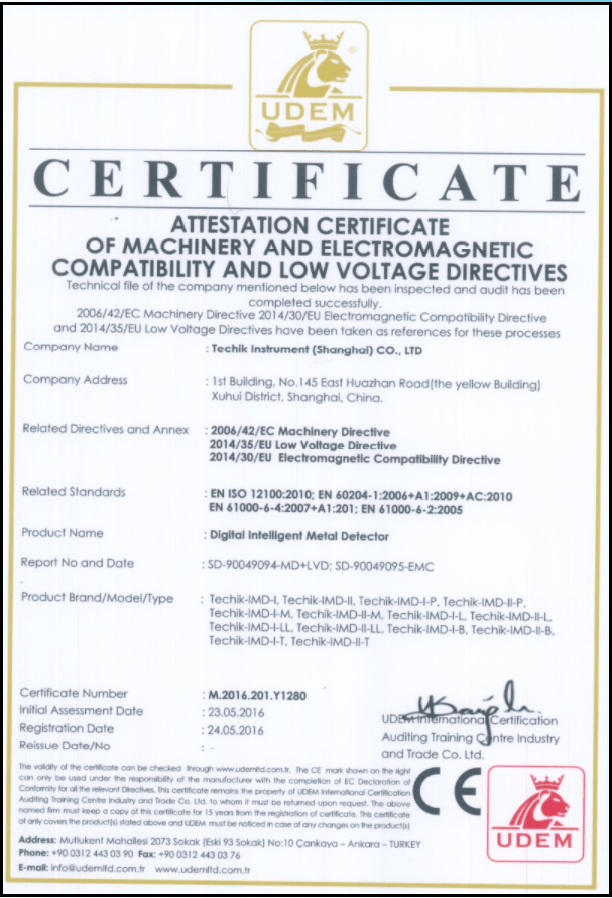
6. CE Certificate
CE belongs to the export import procedures and documentation if you are exporting to Europe.
With all the products, the CE certificate is required, in trading with Europe.
The producer must have been certified by third country to have CE certificate. CE confirms, that the product meets the European Union safety standards.
7. Material safety sheet (MSD)
Sometimes this document is required by importing country custom. This doc can be issued by the exporter and must confirm that product is not harmful to the humans and nature. This doc is usually required for liquids.
8. Freight Insurance Certificate
This doc is not mandatory in export import documentation.
If the goods are precious then usually the buyer requires that exporter signs insurance-policy for the goods. The insurance certificate is issued by companies who provide insurances. Also the international shipping companies like DHL, DSV provide the insurances.

The previous documents and the import export procedures are the most common ones in the export-import business.
Conclusion about import and export procedure(s) and documentation
There are lot more documents and procedures that are required if exporting some specific product. For food product example, exporter needs to provide health inspection certificates and sanitary certificate.
Some export and import procedure(s) and documentation can turn out to be very costly as well. All costs need to be considered for your export business
In order to apply those certificates, special import and export procedure(s) need to be concluded.
If to export medical products, then the rules are even more strict and special licenses may need to apply. Then import export procedure(s) and documentation could be much more complex and involve special institutions and organizations.
NB! That’s why, at the stage of sending the samples to the buyers, you need to make sure what docs and licenses are required by importing party custom for a specific product.
Sometimes it may come clear, that some docs cant be issued. Then also the product cant be an exporter. It is crucial to make all sure at the very beginning.
Previous were primary import export procedure(s) and documentation, we hope it was useful.
Source : https://bit.ly/2O7JATe
@Patriarchconsulting @investinAfrica @Cameroon @Afrikapazarı


Comments